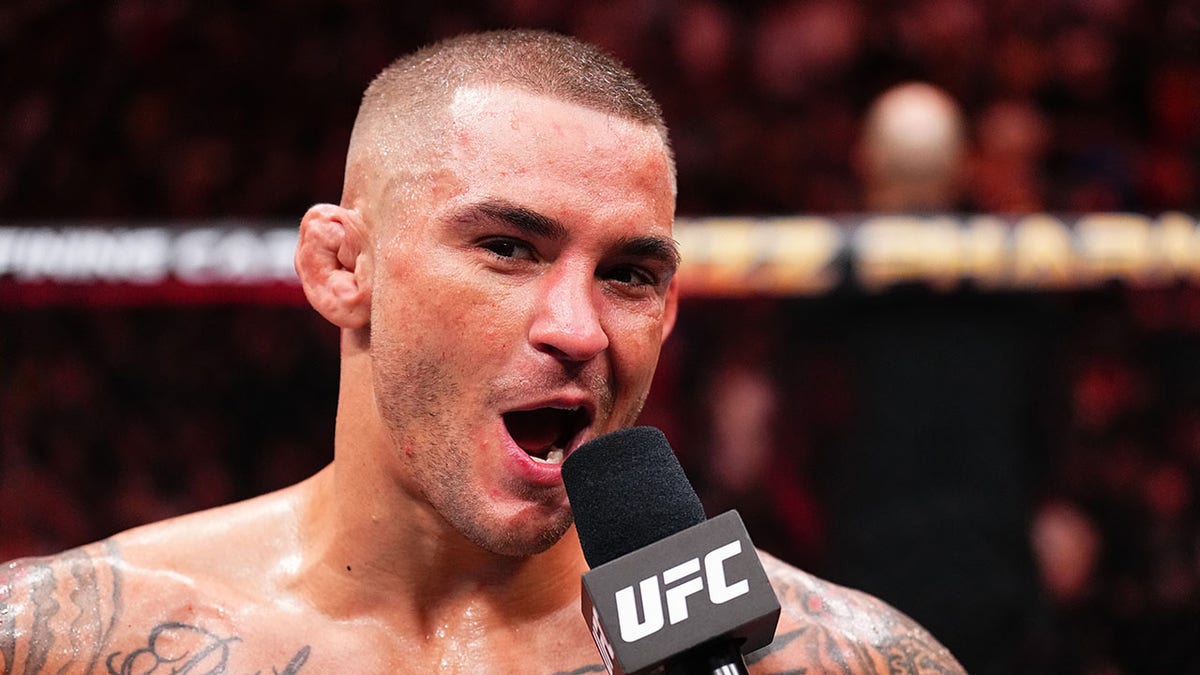
Dustin Poirier provided a specific weight reading on the star of UFC 324: when the fight stretches and the exchange becomes a pulse of resistance, experience is not a detail, it is a tangible advantage. His analysis points to the difference between having lived through championship wars and having shone in scenarios of less attrition: managing crises, adjusting mid-fight and maintaining lucidity when the body asks to stop.
The key that Poirier underlines is the type of threat: Gaethje punishes even when it seems that he does not connect cleanly, and his way of pressing forces the opponent to decide quickly and badly. For Pimblett, the challenge is not to turn the fight into a continuous sequence of exchanges where the margin for error is minimal. He needs well-measured tackles, clean transitions and, above all, not to give away rounds while looking for "his moment".
That a competitor like Poirier puts the accent on the five rounds is, deep down, a warning: the narrative of the undefeated and the media boost work until you have to navigate long minutes against someone who is not easily broken. If the fight drags on, every decision counts and every punch changes the map. That's why his prediction is not just an opinion; it's an insider's reading of how you win (and lose) at the highest level.